Dunellen General Contractor for Residential Renovation and Remodeling
Dunellen General Contractor for Residential Renovation and Remodeling
Blog Article
Why Selecting the Correct General Contractor Is Critical for Your Project
Choosing the right general contractor is a crucial choice that can greatly influence a project's outcome. A qualified contractor ensures effective oversight and adherence to budgets. Their capacity to navigate challenges and preserve transparent dialogue is essential. However, many project stakeholders ignore important factors in this selection procedure. Comprehending these components can lead to better results and greater satisfaction. What should one consider when making this significant choice?
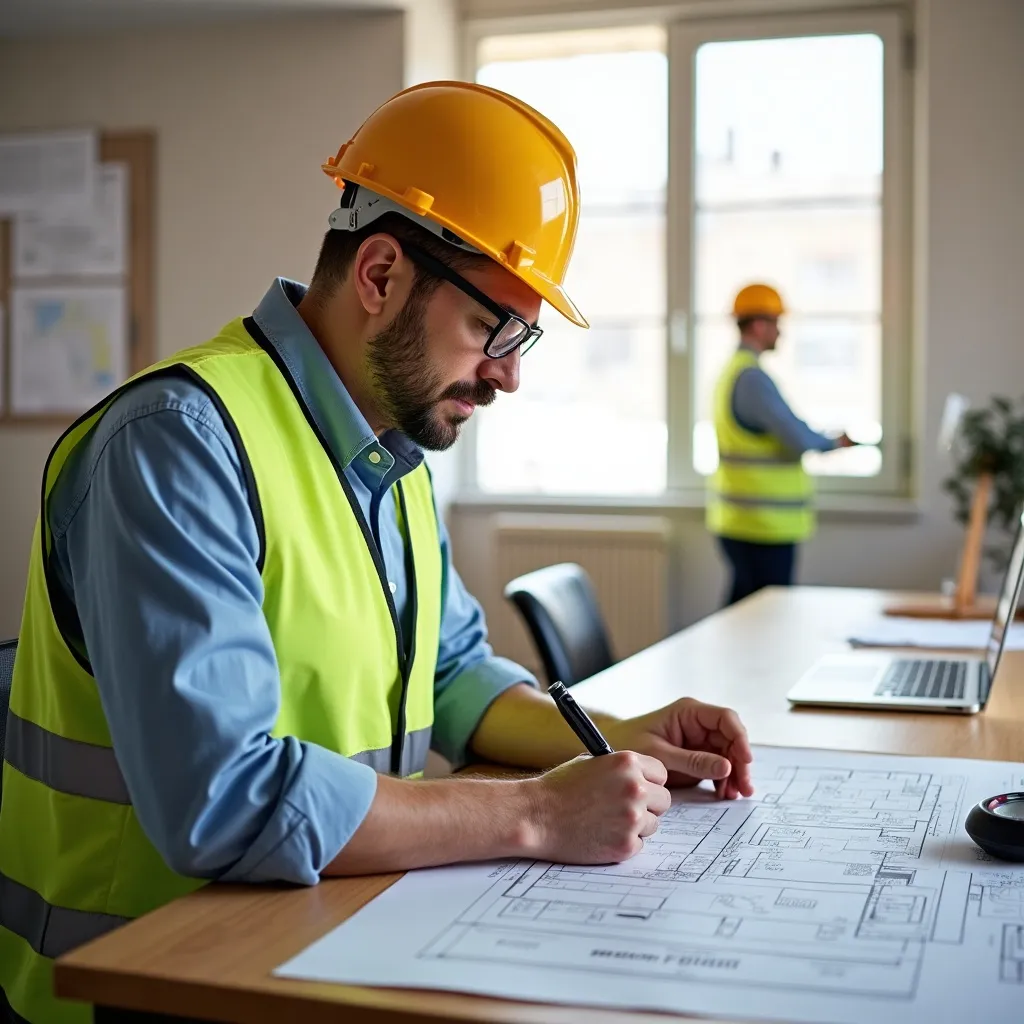
Standard Challenges in Selecting a General Contractor
When evaluating a building contractor, potential clients often encounter numerous typical challenges that can impede the decision-making process. One major obstacle is the vast quantity of choices on offer, which can lead to confusion and indecision. Clients may find it hard to differentiate between contractors based on qualifications, experience, and pricing, making it challenging to determine who will best meet their construction requirements.
A further problem is the limited disclosure in contractor quotations, where unexpected expenses may emerge later, affecting the project allocation. Additionally, clients may experience concerns pertaining to exchange of information; some contractors may fail to keep clients informed throughout the timeline, leading to frustration. In the end, clients often wrestle with verifying a contractor's references and historical work, which can lead to hesitation about the caliber of service to be delivered. These impediments call for deliberate planning and research to guarantee the optimal choice is made.
Essential Nature of a Responsible General Contractor
A trustworthy general contractor serves an essential role in ensuring efficient project management and maintaining quality standards. Their knowledge helps streamline processes, reducing delays and costs. Additionally, a reliable contractor upholds quality standards, resulting in superior craftsmanship and customer satisfaction.
Boost Project Oversight Speed
Efficient project handling is contingent upon the dependability of a general contractor. A reliable contractor ensures that timelines are followed, resources are properly allocated, and communication runs seamlessly among all stakeholders. Their capability to manage subcontractors, suppliers, and laborers directly impacts the progress and overall success of the project. A trustworthy contractor minimizes delays and cost overruns This effectiveness fosters a cooperative setting supporting necessary modifications and enhancements. Ultimately, the general contractor's trustworthiness enhances both the operational facets of the project and confidence among clients and team members, ensuring everyone stays aligned toward a successful outcome.
Superior Assurance Standards
Reliable general contractors fulfill a pivotal role in enforcing quality assurance standards throughout the course of a project. They confirm that all work meets established guidelines and industry best practices, which is for the longevity and safety of the structure. A competent contractor maintains careful oversight of materials and workmanship, conducting regular inspections to identify and rectify problems quickly. This proactive strategy addresses risks associated with inferior construction, ultimately securing the investment. Furthermore, a reliable contractor supports communication among all stakeholders, assuring expectations are clear and met. By emphasizing quality assurance, a skilled general contractor not only enhances the finished product but also cultivates trust with clients, establishing the basis for successful project outcomes.
Examining a Contractor's Qualifications and Reputation
When picking a general contractor, knowing their expertise and credibility is important, as these aspects heavily influence project outcomes. A contractor's background typically indicates their ability to manage multiple project types, challenges, and difficulties. Looking at their work samples provides insight into past projects, displaying craftsmanship and meticulous attention to specifics.
In addition, reputation functions as a vital role in building trust. Prospective clients should seek online reviews, recommendations, and references to assess satisfaction levels from previous clients. Working with past customers can reveal the contractor's reliability, communication skills, and maintaining timelines and budgets.
Additionally, trade memberships and certifications can strengthen a contractor's reputation, revealing a commitment to quality and principled practices. By thoroughly evaluating both experience and reputation, clients can reach sound conclusions, ultimately setting the stage for a successful construction project.
Key Features of a Reputable Contractor
A reliable contractor regularly demonstrates honesty, transparency, and strong interpersonal abilities. These vital traits form the foundation of a successful working relationship. Integrity guarantees the contractor adheres to ethical practices, providing honest evaluations and realistic timelines. Transparency entails openly sharing project details, including costs and potential challenges, fostering confidence between the contractor and the customer.
Strong communication skills facilitate the contractor to communicate ideas efficiently, listen to client needs, and address any concerns examination that arise during the project. Furthermore, a reliable contractor showcases adaptability, adjusting to changes and unexpected circumstances with poise and resilience. Close attention to detail is another key trait; it shows a commitment to excellence and precision in every facet of the work. Ultimately, these characteristics not only enhance project outcomes but also provide a positive experience for clients, making the hiring of a trustworthy contractor all the more critical.
Essential Considerations When Choosing Your General Contractor?
How can a person guarantee they choose the best general contractor for their project? By posing a series of targeted questions, potential clients can better evaluate candidates. Initially, asking about the contractor's experience with comparable work provides insight into their expertise. It's also vital to request for references; communicating with previous clients can uncover the contractor's reliability and work quality.
Following this, examining licensing and insurance confirms that the contractor adheres to legal standards and protects the client from potential liabilities. Clients should further ask about timelines and project management approaches to measure how the contractor intends to oversee the project efficiently.
Budget talks are vital; requesting a thorough estimate prevents surprise costs later. Finally, understanding the contractor's preferred way of communicating can lay the groundwork for a productive working relationship. By tackling these important inquiries, clients can choose wisely in choosing their general contractor.
Why Communication Is Important With Your Contractor
Effective communication with a contractor is essential for initiative success. Establishing clear standards and sharing timely updates can avoid disputes that often lead to costly postponements. Additionally, encouraging an receptive exchange cultivates credibility, guaranteeing a more productive working relationship throughout the building phase.
Clear Requirements Establish Achievement
Defining clear expectations is essential for a successful partnership with a general contractor. Effective communication forms the basis for a mutual understanding of project goals, timelines, and budget constraints. When both parties discuss their needs and concerns, it reduces the risk of misunderstandings that may hinder progress. A contractor who understands the specific requirements can manage resources effectively and proactively handle potential challenges. Additionally, clear expectations promotes accountability, guaranteeing the contractor fulfills commitments and that the homeowner feels engaged in the process. By prioritizing open dialogue early on, clients can improve cooperation and satisfaction, ultimately resulting in a smoother project delivery. Clear expectations not only simplify operations but also foster trust between the homeowner and the contractor.
Rapid Messages Prevent Misunderstandings
Setting clear requirements establishes the foundation for collaborative achievement, though steady dialogue is absolutely vital. Routine updates from a construction professional can prevent miscommunication that develops in the course of a undertaking. When contractors regularly communicate project updates, clients keep abreast of project schedules, financial adjustments, and anticipated roadblocks. This forward-thinking communication aids in align each party's goals and lowers the possibility of disputes down the road. Furthermore, when complications arise, immediate notification allows for quicker resolutions, maintaining the project on track. By fostering a climate of open communication, construction professionals express their dedication to the project's success, ultimately leading to a better-organized operation and superior client contentment. Consequently, timely updates serve as a critical foundation for maintaining clarity and trust throughout the building endeavor.
Open Conversation Creates Trust
While a project advances, keeping an open dialogue with the general contractor becomes critical for fostering faith and cooperation. Effective communication guarantees that all involved parties have a thorough understanding of goals, deadlines, and potential difficulties. When contractors and clients engage in regular discussions, it permits for the detection of issues before they escalate, minimizing delays. This clarity not only strengthens confidence but also boosts the overall project experience. Moreover, an established communication pathway encourages feedback, empowering the construction manager to make changes that align with the client's objectives. Conclusively, strong communication sets up a foundation of shared respect, which is essential for the successful completion of any construction work. Confidence developed through interaction leads to better outcomes for everyone involved.
Frequently Asked Questions
How do I establish whether a Contractor legitimately registered?
To check if a contractor is licensed, one should check local regulatory agencies and online platforms, confirm their license number, and confirm it's active. Additionally, examining online reviews can provide insight into their credibility and reliability.
What Insurance Must My Contractor Possess?
A contractor ought to obtain general liability insurance, worker injury protection, and, if applicable, professional liability insurance. These safeguard against conceivable losses, workplace injuries, and defects in work quality, ensuring economic security for both the service provider and the client.
What's the Best Way to Examine a Construction Professional's References?
To validate a contractor's background, one should request a inventory of former clients, contact them personally, and inquire about their impressions. Additionally, studying online reviews and ratings can supply valuable insights into the contractor's credibility.
What Should I Take if Problems Present Themselves During the Project?
If issues arise during the project, one should document the problems, communicate directly with the contractor, and work toward a solution. If necessary, bringing in a neutral third party or obtaining legal counsel may also be appropriate.
Are There Warning Signs to Monitor During the Recruitment Process?
Red flags throughout the recruitment phase include imprecise estimates, no references, substandard communication, inadequate licenses, and negative online reviews. These markers suggest potential issues that could alter the timeline and quality of the project.
Report this page